Skip to main content Skip to main navigation Skip to footer content

Environmental Studies

Understanding environmental issues and solving the problems they create requires more than one discipline. At FSC, ecology, chemistry, policy, and communication come together in a degree built for students who want to make a difference.

Environmental Studies

Quick Facts

Degree Options

  • Bachelor of Science
  • Bachelor of Arts
  • Minor

Program Format

  • In-person

Time to Complete

  • 4-Years

About the Environmental Studies Major

Our use of natural resources affects the environment at the local, regional, and global scales. The challenge of understanding those impacts, and doing something about them, requires foundational understanding of ecology and chemistry, history and policy, and communication and advocacy, all working together.

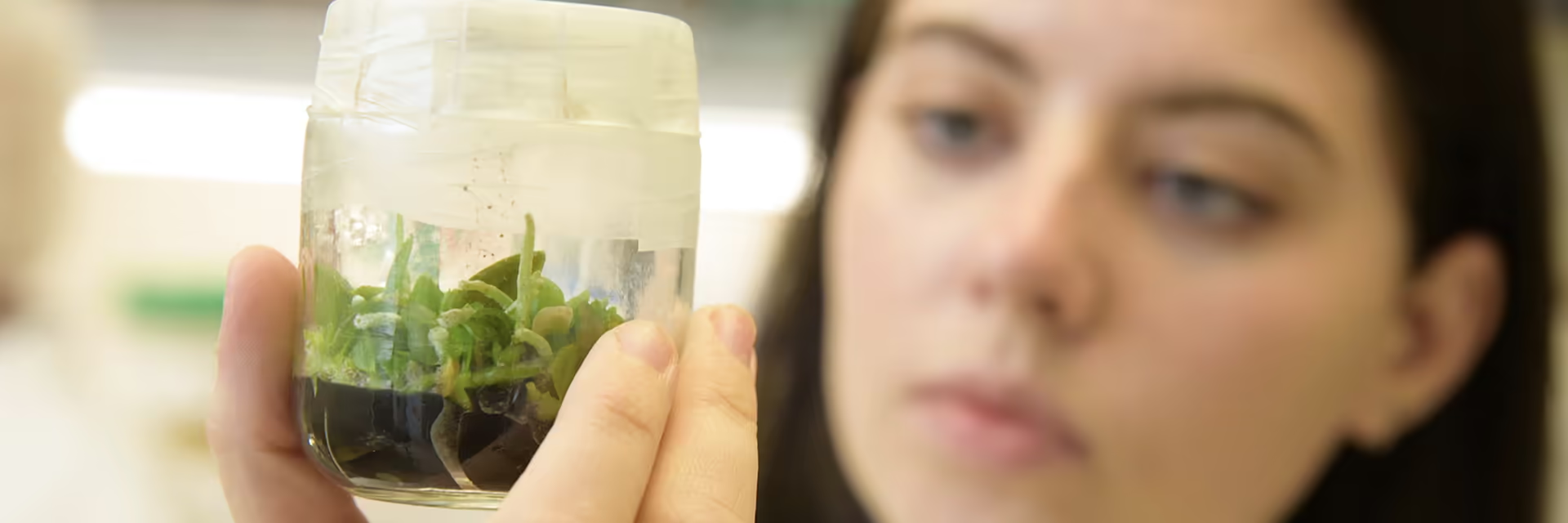
FSC’s Environmental Studies program is built around this interdisciplinary reality. Your degree provides an essential background in the sciences necessary to understand the environment: biology, ecology, microbiology, and chemistry, alongside historical and political perspectives that give you the context to understand the pressing issues we face everyday. You will gain effective communication skills that enable you to articulate potential solutions to local or global environmental problems. You will learn scientific background through hands on experience in the field, in the lab, and in collaboration with faculty whose research spans fire ecology, ecotoxicology, herpetology, parasitology, wetland ecosystems, and paleoecology.

Whether your goal is a career in environmental science, policy, law, advocacy, or graduate study (including a direct pathway to Duke University’s Nicholas School of the Environment), FSC’s Environmental Studies program gives you the interdisciplinary foundation to pursue your dreams.

By the Numbers

One hundred percent of FSC's Class of 2025 Environmental Studies graduates are employed or in graduate school. They got there by restoring marshes in the Caribbean, tracking sea turtle migration in the Galápagos Islands, replanting indigenous plants in the British Virgin Islands, and studying mineral compositions in soil samples from local marshlands — all as undergraduates. Here is what makes that possible.

Facts & Figures
  • 3+2 Duke Graduate Pathway

    FSC’s cooperative agreement with Duke University’s Nicholas School of the Environment allows qualified students to earn both a bachelor’s and a master’s degree in just five years — one of the most direct pathways to a top-ranked graduate environmental program available.

  • 3 Junior Journey Destinations

    The Galápagos Islands. The Caribbean. The British Virgin Islands. Environmental Studies students have tracked sea turtle migration, restored marshes, and replanted indigenous plant species destroyed by hurricanes. This is, field research that goes far beyond a classroom.

  • 6 Disciplines. One Degree.

    Ecology, microbiology, biogeochemistry, statistics, environmental policy, and communications — all in one degree. FSC's interdisciplinary approach builds the breadth that environmental careers and graduate programs increasingly demand.

  • 358 Ecosystems Right Outside Your Door

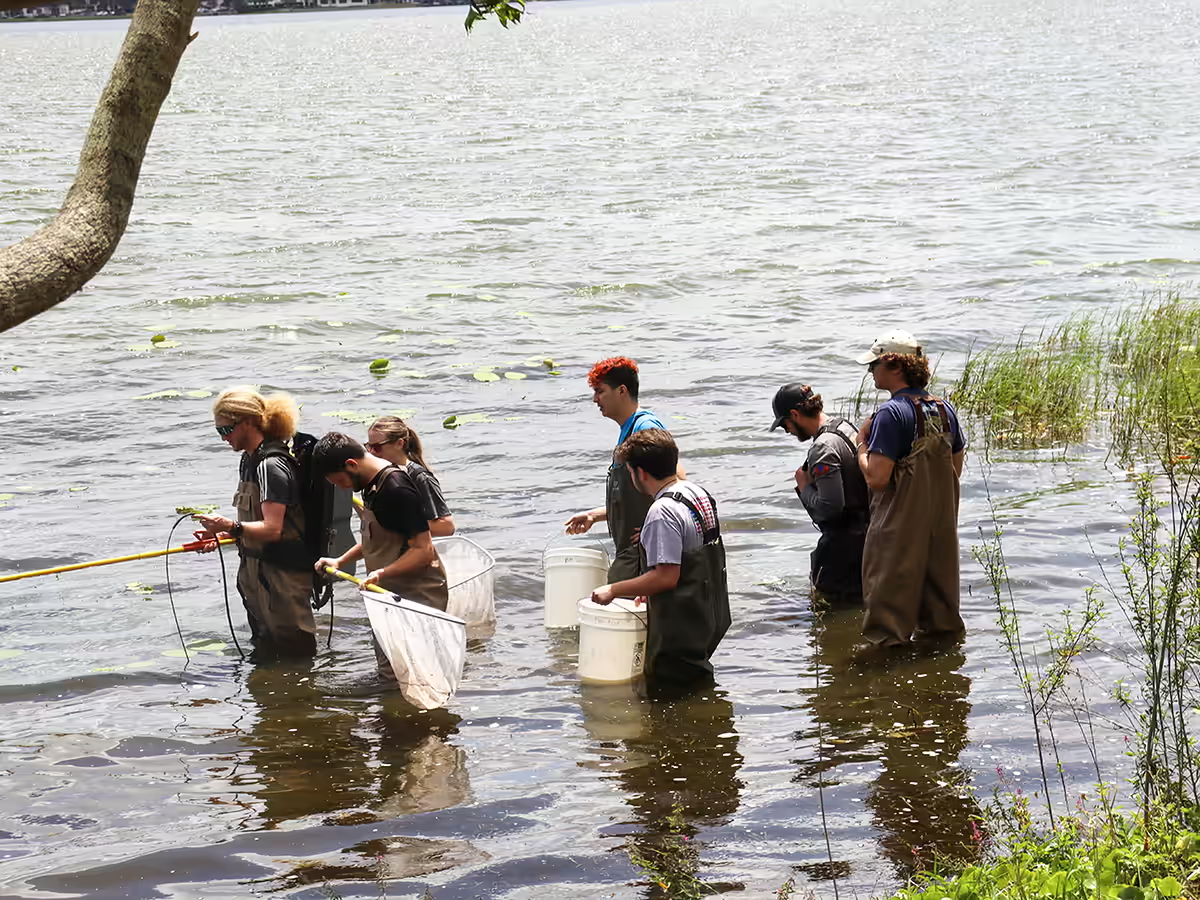
    Lake Hollingsworth, a 358-acre freshwater ecosystem just steps away from campus, is FSC Environmental Studies students' year-round field site for ecological observation, data collection, and original research from their very first semester.

Program Details

An interdisciplinary environmental degree built around hands-on field research, collaborative faculty mentorship, and a curriculum that spans the sciences, the humanities, and the policy landscape. Environmental Studies at FSC is for students who want to understand the environment and solve pressing real-world problems.

First-Year Applicants

All freshman applicants to Florida Southern Colleges full-time degree programs must submit the following information:

Transfer Applicants

Applying to Florida Southern as a transfer student is easy. Submit:

If transferring fewer than 24 credits, also include your official high school transcript and SAT/ACT scores.

Learn More about transfer admissions

International Applicants

Review all international admission requirements

FSC’s Environmental Studies curriculum is deliberately interdisciplinary — drawing on biology, ecology, microbiology, chemistry, environmental policy, history, economics, and communications to give students the breadth of perspective that complex environmental problems demand.

Core science coursework builds foundational knowledge across the biological and chemical sciences, grounding students in the tools and methods of environmental research. Students also study the historical, political, and economic forces that have shaped human relationships with the natural world — understanding not just what is happening to the environment, but why.

The communications component of the curriculum is unusual among environmental programs and is one of FSC’s most distinctive offerings: students learn public relations and science communication skills that prepare them to raise environmental awareness, engage diverse audiences, and participate meaningfully in public policy debates.

All Environmental Studies students conduct original research in collaboration with a faculty mentor, with opportunities to present their findings at scientific conferences.

The BA and BS in Environmental Studies are both 124-credit-hour degrees built around a rigorous interdisciplinary core spanning ecology, biology, chemistry, environmental policy, and communications.

Science Foundation Coursework covers ecology, microbiology, biology, and chemistry — building the quantitative and laboratory skills that environmental science and graduate programs expect. Field components are embedded across courses, placing students in natural environments from their first year.

Policy and History Environmental Studies students examine the political, historical, and economic dimensions of environmental issues — understanding the policy landscape that shapes environmental practice and advocacy.

Research and Communication Original research with faculty mentors, conference presentations, and science communication coursework prepare students to contribute to the field and communicate findings to scientific and public audiences.

The Environmental Studies Minor requires 24 hours and is open to students in any major with one important note: at least 50% of the coursework must be unique to the minor and cannot also count toward the Biology Minor or the Biology, Biochemistry and Molecular Biology, Biotechnology, Integrative Biology, or Marine Biology majors.

Minor Requirements (24 hours)

  • BIO 1500 — Biology I: Biological Essentials
  • BIO 1600 — Biology II: Biological Diversity
  • BIO 2200 — Environmental Issues
  • BIO 2500 — Biology III: Ecology and Evolution
  • BIO 2900 — Conservation Biology
  • Four hours chosen from Communication, English, History, or Political Science courses that apply to the Environmental Studies major

Who should consider this minor?

The Environmental Studies Minor is a strong complement for students in a surprisingly wide range of majors. Chemistry students who want to apply their science to real-world environmental problems. Political Science students interested in environmental law, climate policy, or natural resource governance. History students drawn to the political and cultural history of the environmental movement. Communication students pursuing science journalism, environmental advocacy, or public affairs careers. Business students interested in sustainability, corporate environmental responsibility, or ESG reporting. Pre-law students building toward environmental or land use law.

The four-hour elective from Communication, English, History, or Political Science is built into the minor itself, a deliberate signal that environmental issues require more than scientific knowledge to address. Whatever your primary field of study, the Environmental Studies Minor adds the scientific literacy and ecological perspective that employers and graduate programs in almost every sector are increasingly looking for.

Environmental Studies students at FSC are part of a scientifically engaged and socially motivated community. Get involved with:

  • Beta Beta Beta Biological Honor Society, a national honor society for students in the biological sciences
  • Alpha Epsilon Delta Pre-Professional Honor Society, for students on pre-professional tracks
  • Rho Rho Rho Marine and Atmospheric Honor Society, for students with interests in marine and environmental science

Your Field Site Is Wherever the Problem Is

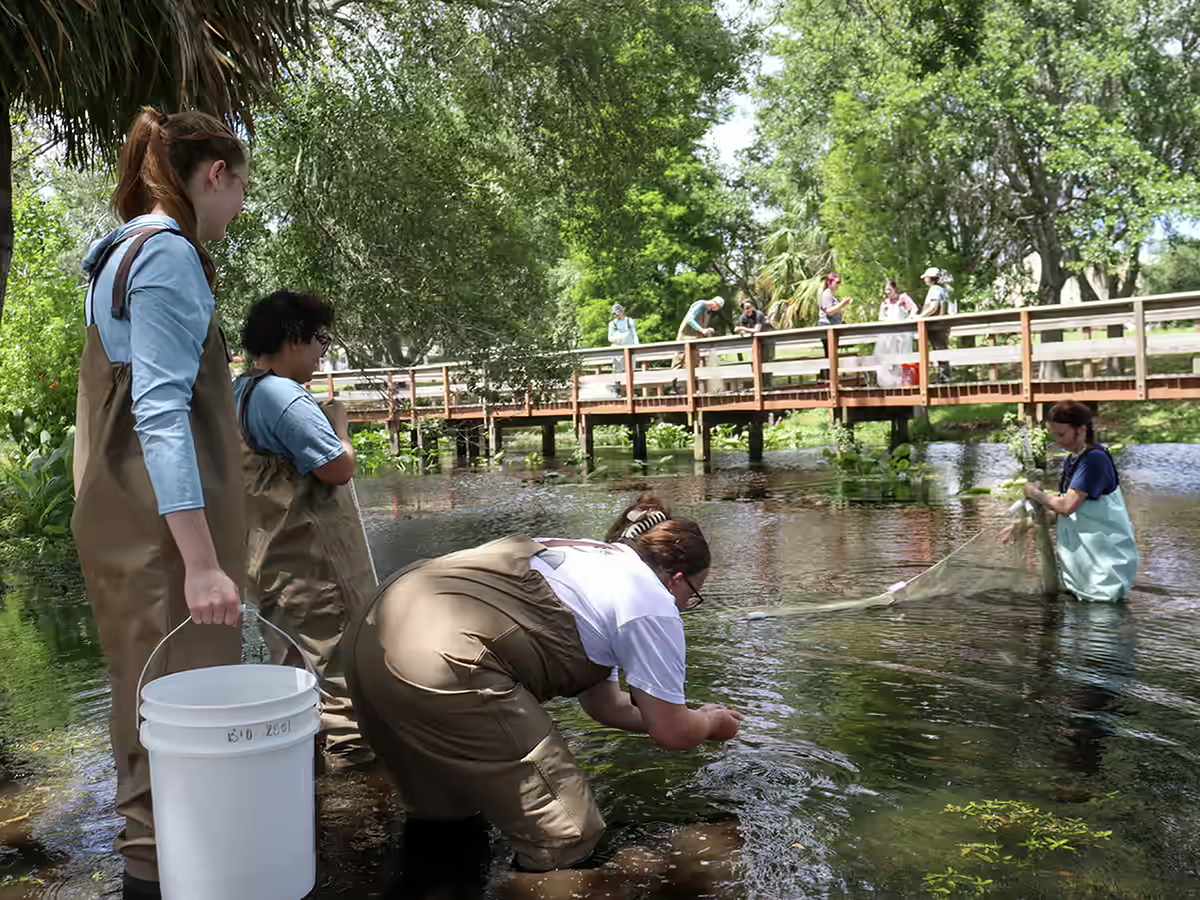
Environmental Studies at FSC is not a desk-and-lecture degree. Field components are embedded throughout the curriculum — placing you in natural environments to observe, collect data, and investigate real ecological questions.

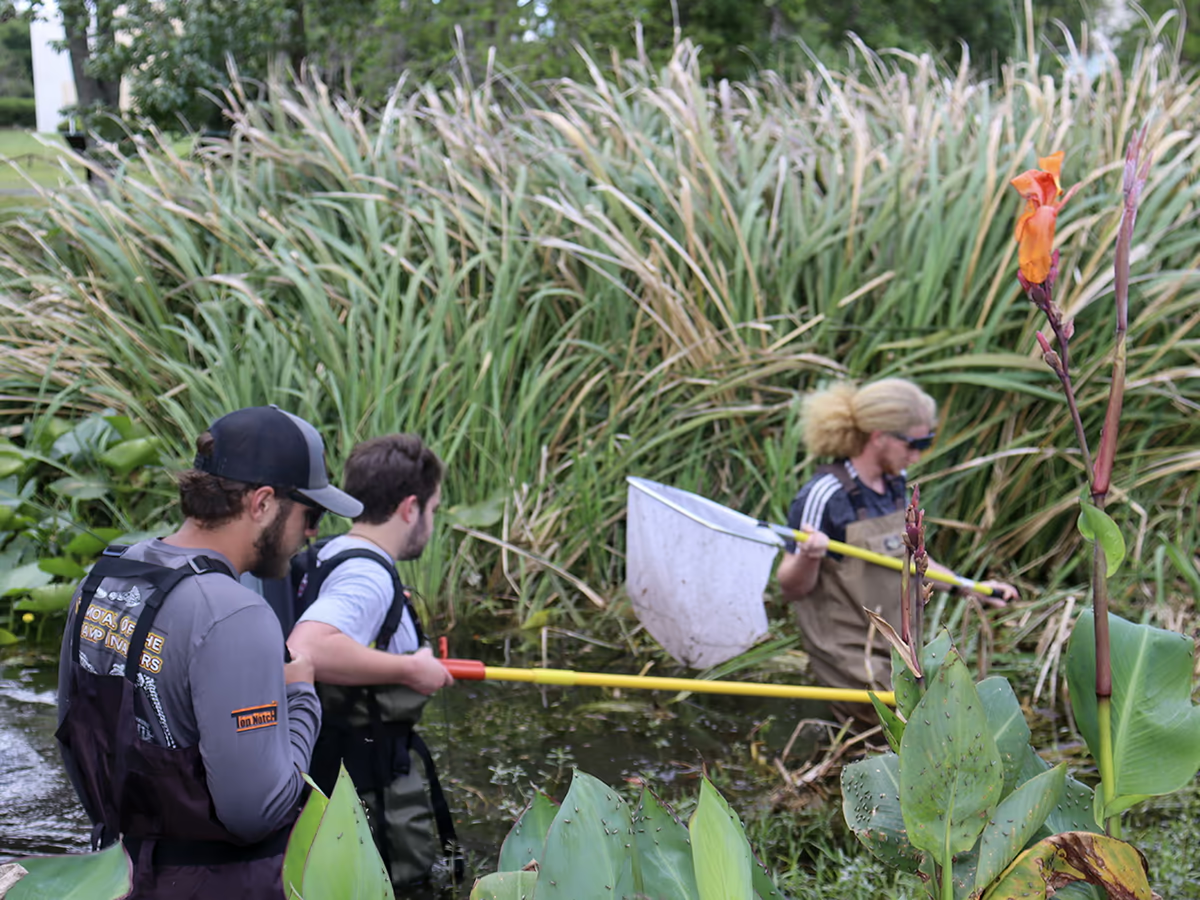
On campus, Lake Hollingsworth provides a thriving freshwater ecosystem steps from the classroom, a living laboratory for ecological research available year-round. Off campus, FSC students have collected soil samples from local marshlands, tracked sea turtle migration patterns in the Galápagos Islands, restored marshes in the Caribbean, and replanted indigenous plant species destroyed by hurricanes in the British Virgin Islands through Junior Journey field experiences.

An important part of conducting research is sharing your findings with the scientific community. Environmental Studies students have attended and presented at the Bahamas National Trust Conference and the Association of Southeastern Biologists Conference, gaining the professional conference experience that graduate programs and employers value.

Your Field Site Is Wherever the Problem Is

Environmental Science Meets Policy and Law

Understanding the environment is only half the work. Finding solutions to the challenges we face requires policy, advocacy, and law, and FSC's Environmental Studies program prepares students for all three.

The curriculum's policy and history component provides students with a framework for understanding how environmental law and regulation are made, challenged, and reformed. For students interested in environmental law or public policy careers, the Environmental Studies major pairs naturally with political science coursework or a pre-law advising track.

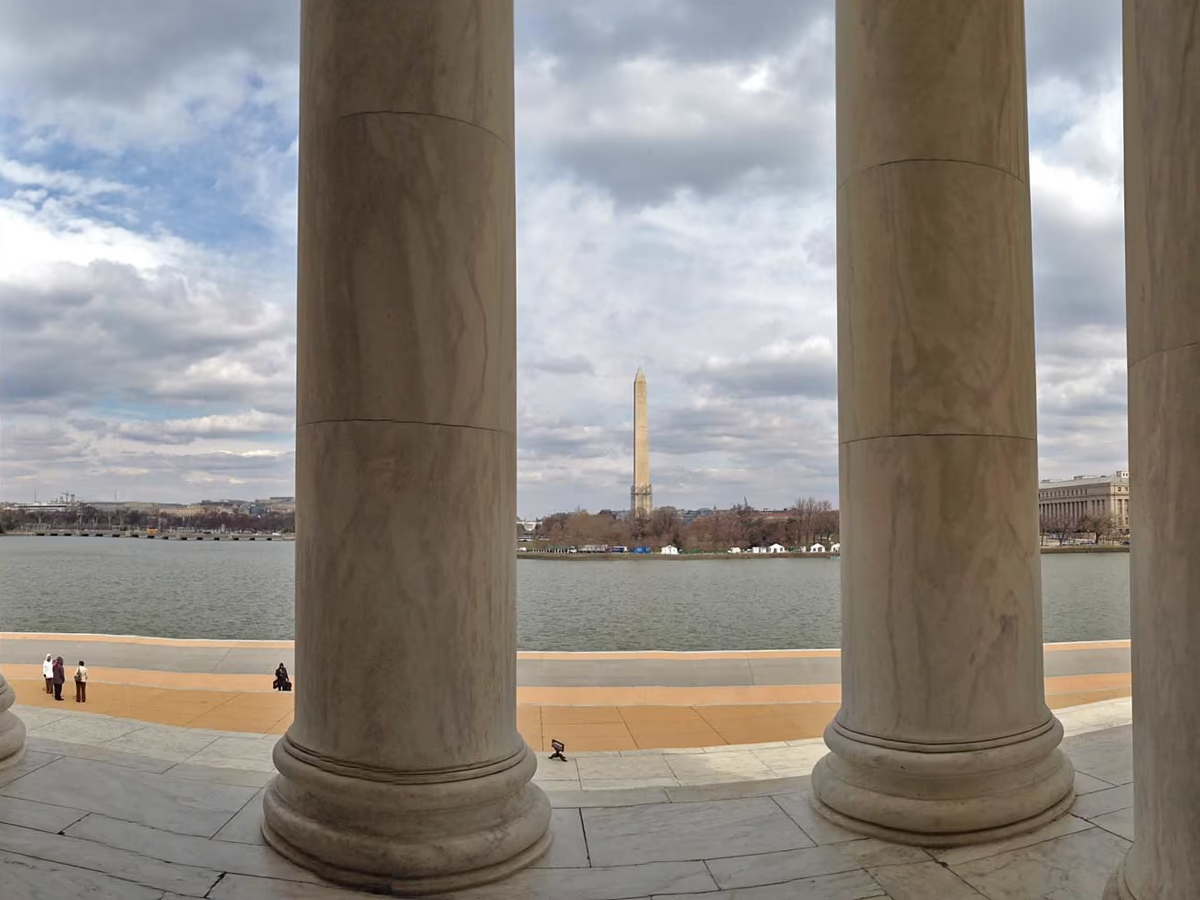
The Washington Center program extends this further by placing students in Washington, D.C., internships with federal environmental agencies, nonprofit advocacy organizations, and policy research institutions. For an Environmental Studies student interested in the intersection of science and governance, a Washington Center semester is among the most impactful experiences available.

 Environmental Science Meets Policy and Law

Outcomes and Careers in Environmental Studies

An Environmental Studies degree from FSC opens doors across science, policy, law, education, and advocacy. The program's interdisciplinary breadth, spanning ecology, chemistry, policy, and communication, prepares graduates for careers in fields that a purely scientific or purely policy-focused degree alone cannot. Within six months of graduating, 100% of FSC’s Class of 2025 Environmental Studies students are employed or in graduate school.

Environmental Science and Research

Environmental lab technicians, ecologists, field scientists, fishery analysts, ecotoxicologists, and wildlife biologists all draw on the scientific foundation that FSC's Environmental Studies curriculum provides. FSC's research partnerships and conference presentation opportunities give graduates a professional research record before they apply for their first position.

Environmental Policy and Law

Environmental law is one of the fastest-growing areas of legal practice. FSC's Environmental Studies curriculum, with its emphasis on policy, history, and the political dimensions of environmental issues, is direct preparation for law school and careers in environmental law, regulatory compliance, government agencies, and policy research organizations. The Washington Center program provides direct access to federal environmental agencies and advocacy organizations in Washington, D.C.

Environmental Management and Advocacy

Environmental managers, program coordinators, and advocates at government agencies, forestry services, nonprofits, and conservation organizations need the blend of scientific literacy, policy understanding, and communication skills that FSC's Environmental Studies degree is specifically designed to develop.

Science Communication and Environmental Education

The communications component of FSC's Environmental Studies degree — public relations and science communication skills — prepares graduates for careers as science writers, environmental educators, scientific illustrators, and public affairs specialists at environmental organizations, government agencies, and media outlets.

Graduate Study

Including Duke's Nicholas School FSC's 3-2 cooperative agreement with Duke University's Nicholas School of the Environment provides a direct pathway to one of the nation's most respected environmental graduate programs. FSC's research experience, conference presentations, and interdisciplinary curriculum also prepare graduates for doctoral programs in ecology, environmental science, environmental policy, biology, and related fields.

Student Voices

Hear from Mocs exploring what environmental studies makes possible at Florida Southern.
placeholder

"I love many of the hands-on aspects of my major. So many of my professors try to engage us in going beyond the classroom setting. One of my biology classes challenges me to document a new organism I discover on campus every week!"

Gretchen Faraci

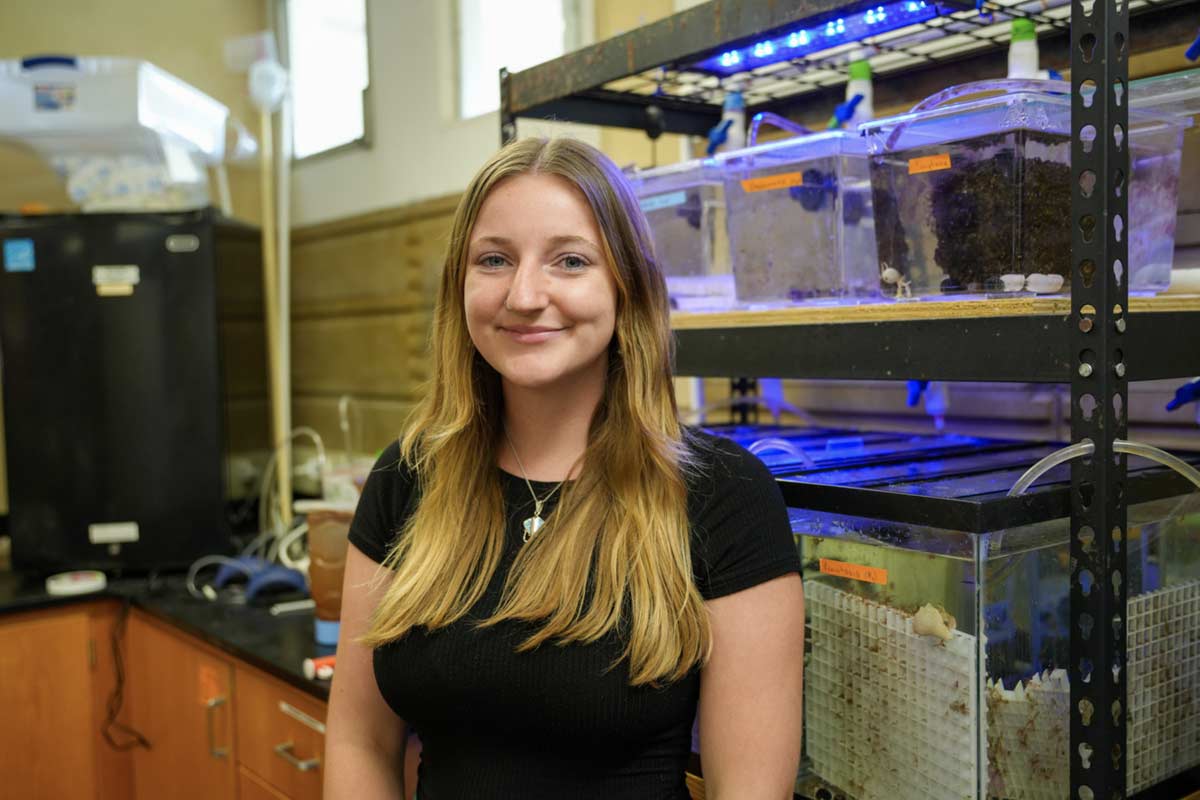
"My favorite thing about my major is how easy it is to get involved. So many of the professors either look for interns or can recommend opportunities. I applied in my first semester, and by this spring, I'm working in a lab. We're a busy bunch for sure, but the professors are absolutely amazing."

Nyssa Henderson

Engaged Learning

From ecological fieldwork on Lake Hollingsworth and soil sample collection in local marshlands to Junior Journey research in the Galápagos Islands and conference presentations at the Bahamas National Trust, FSC Environmental Studies students are always in the field. Every research experience, every conference presentation, and every policy discussion builds toward a career that makes a difference.

students in lake hollingsworth

Meet the Faculty

At FSC, the question is not whether you will do research as an undergraduate, it is which faculty member you will do it with. Environmental Studies faculty specializations span fire ecology, ecotoxicology, herpetology, parasitology, and paleoecology, giving students a genuinely wide range of collaborative research partnerships to pursue from their first year.

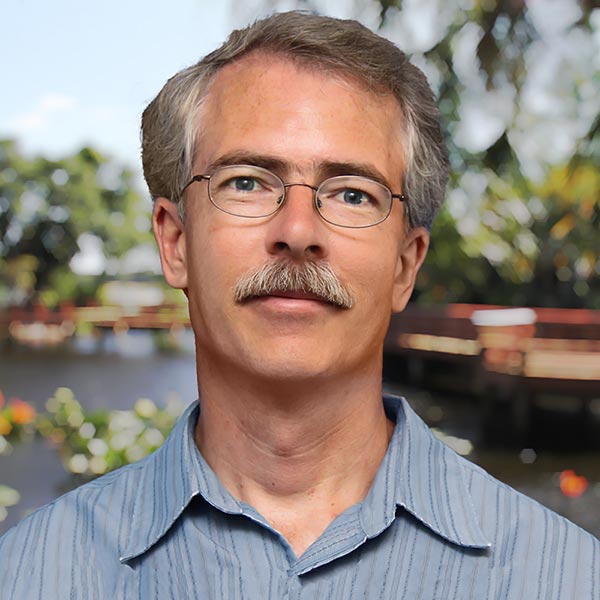
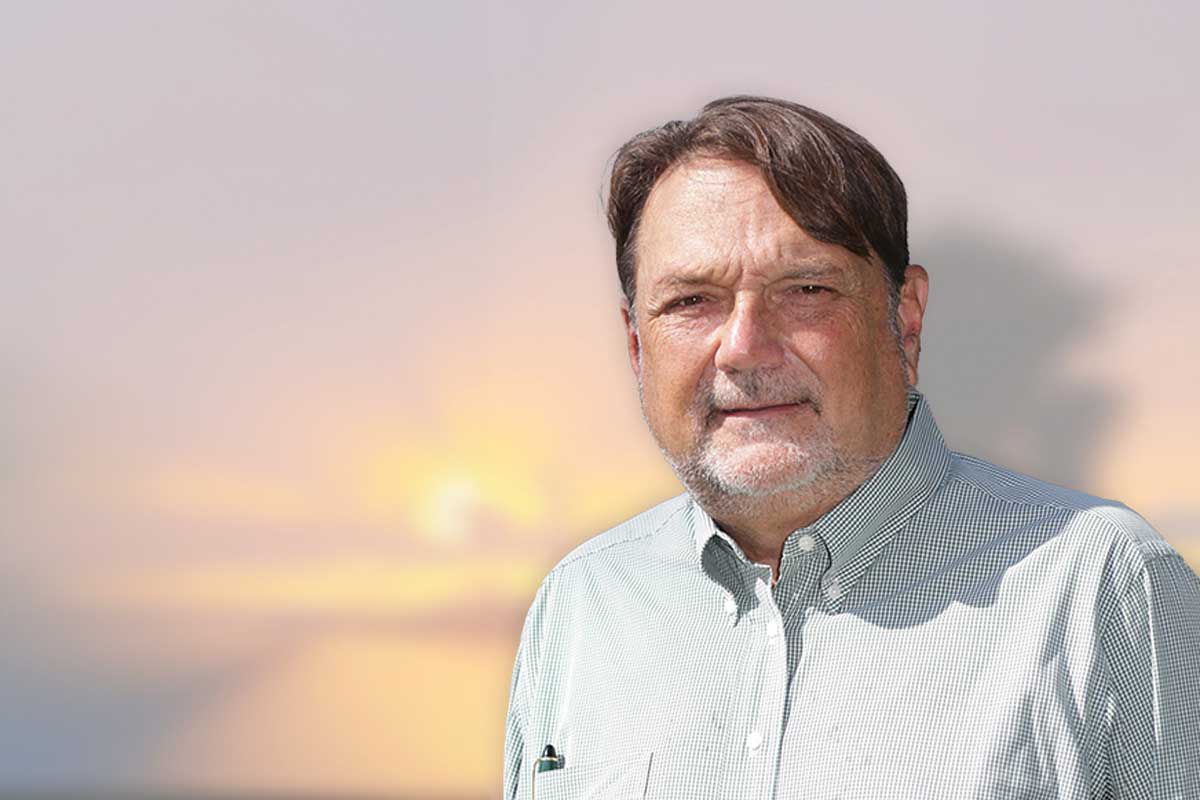
Eric Kjellmark

Eric Kjellmark, Ph.D.

Professor of Biology

Lauren Griffiths

Lauren Griffiths, Ph.D.

Assistant Professor of Biology Ecology

Frequently Asked Questions

Environmental Science typically focuses on the natural sciences: chemistry, biology, and ecology, as tools for understanding environmental problems. Environmental Studies is broader and more interdisciplinary, combining those science foundations with history, policy, economics, and communication. FSC's program is deliberately both: students gain rigorous scientific training alongside the policy and communication skills needed to translate science into action.

FSC has a cooperative 3-2 agreement with Duke University's Nicholas School of the Environment, one of the nation's most respected graduate programs in environmental studies. Qualified students spend three years at FSC completing their Environmental Studies degree requirements, then transfer to Duke to complete a two-year master's degree, earning both a bachelor's and a graduate degree in just five years. Contact Dr. Kjellmark for eligibility requirements and the application timeline.

Yes, particularly for students interested in environmental law, regulatory compliance, or public policy. FSC's Environmental Studies curriculum combines scientific literacy with policy history and political analysis, developing exactly the analytical and writing skills that law school admissions committees value. The Washington Center program also provides direct access to federal environmental agencies, nonprofit advocacy organizations, and policy research institutions in Washington, D.C., a strong complement to pre-law preparation.

Environmental Studies students collaborate with faculty on original research across a range of specializations: fire ecology, ecotoxicology, herpetology, parasitology, and paleoecology, among others. Students have presented research at the Bahamas National Trust Conference and the Association of Southeastern Biologists Conference. Field experiences through Junior Journey have taken students to the Galápagos Islands, the Caribbean, and the British Virgin Islands for hands-on ecological research.

Environmental Studies graduates pursue careers as environmental scientists, ecologists, fishery analysts, environmental lab technicians, wildlife biologists, environmental managers, policy analysts, environmental lawyers, science communicators, scientific illustrators, and environmental educators. The degree also provides strong preparation for graduate study, including a direct pathway to Duke University's Nicholas School of the Environment through FSC's 3-2 cooperative agreement.

Yes, in several ways. Lake Hollingsworth, right on FSC's campus, provides a living freshwater ecosystem for year-round ecological fieldwork. Central Florida's diverse natural environments, including wetlands, scrub, lakes, and coastal habitats, provide additional field research settings. And FSC's proximity to state and federal agencies, environmental nonprofits, and conservation organizations in the Tampa-Orlando corridor creates strong internship access.

Yes. The Washington Center places FSC students in Washington, D.C. internships that can be completed as part of the degree. For Environmental Studies students interested in environmental law, policy, or careers with federal agencies, a Washington Center semester provides direct access to the organizations and institutions that shape national environmental governance.

Admissions Events

Get an inside look into the Florida Southern College experience with on-campus tours and events designed to show you what it will be like to live, study, and play at FSC.

Jan 23, 2027

Students at Waterdome

Southern Select

  • Branscomb Auditorium

Much more than a traditional campus visit, Southern Select includes team building activities, a...

Admissions

1of1

Environmental Studies News

Read the latest from FSC's Environmental Studies program, from student research presentations and field expeditions to faculty publications.

Related Programs

If you are drawn to the natural world and the policies that shape it, FSC offers additional programs that pair naturally with an Environmental Studies foundation:

Ready to Make a Difference?

The planet needs people who understand it and know how to protect it. Take your next step toward a BA or BS in Environmental Studies at Florida Southern College.