Biology, Psychology, and Exercise Science
deepen your major with a focused brain-and-behavior track.


How does the brain shape behavior, and how does behavior reshape the brain? The Neuroscience minor gives you an interdisciplinary lens on that question, drawing together biology, psychology, and exercise science to study the relationship between brain and behavior in humans and animals alike. It's a strong complement to a range of majors, whether you're heading toward health care, research, or graduate study.
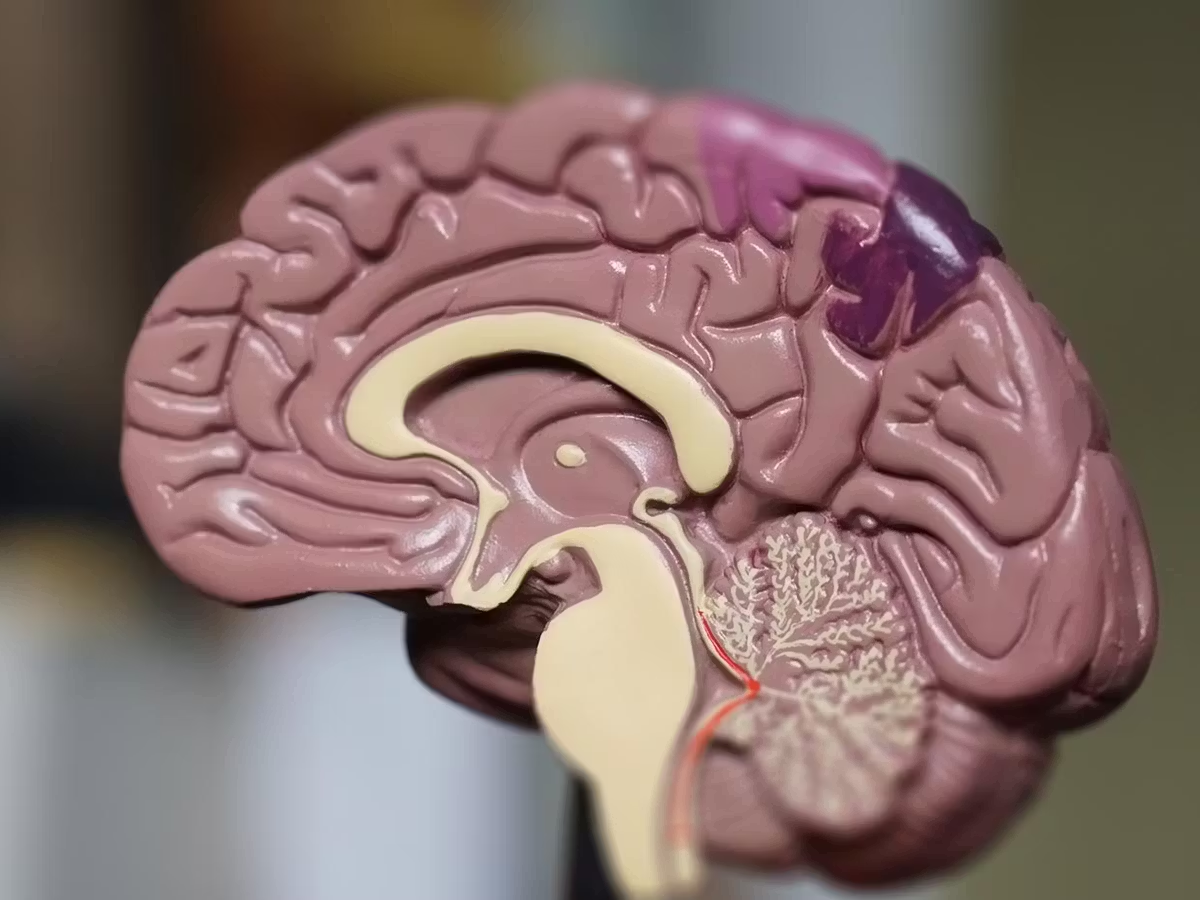
Neuroscience at Florida Southern is genuinely interdisciplinary. Faculty from three departments, Biology, Psychology, and Exercise Science, teach into the minor, so you study the brain from multiple angles: its biological machinery, the behavior and cognition it produces, and the way movement and the body connect to it. You'll learn to integrate biological and psychological influences on behavior and apply them across real contexts, from clinical to ecological.
A minor's value is in how it complements your major. Neuroscience pairs naturally with:
deepen your major with a focused brain-and-behavior track.
strengthen a health-professions application with neuroscience coursework.
connect to cognition, perception, and the brain-inspired side of AI.
The Neuroscience minor is 24 credit hours: four required core courses plus eight hours of electives you choose. Faculty from Biology, Psychology, and Exercise Science teach across the minor.
The Advertising Design minor is 20 credit hours: five required courses plus one studio course you choose. Faculty from Art and Design and from Communication teach across the minor.
| Course | Title |
|---|---|
| BIO 1500 | Biology I: Biological Essentials |
| BIO 2600 | Introduction to Neuroscience |
| PSY 1110 | Psychology and the Natural World |
| PSY 3309 | Behavioral Neuroscience |
Select eight hours from the courses below:
| Course | Title |
|---|---|
| BIO 3250 | Sensory Biology |
| BIO 3600 | Special Topics in Biology (approved) |
| BIO 3900 | Animal Behavior |
| EXS 2775 | Kinesiology |
| EXS 3500 | Motor Behavior |
| PSY 3301 | Special Topics in Psychology (approved) |
| PSY 3305 | Learning and Behavioral Psychology |
| PSY 3315 | Cognitive Psychology |
The minor's faculty offer opportunities that go past coursework, including relevant research projects, teaching assistantships, and professional development. These experiences help you build the skills that carry into employment or graduate study.
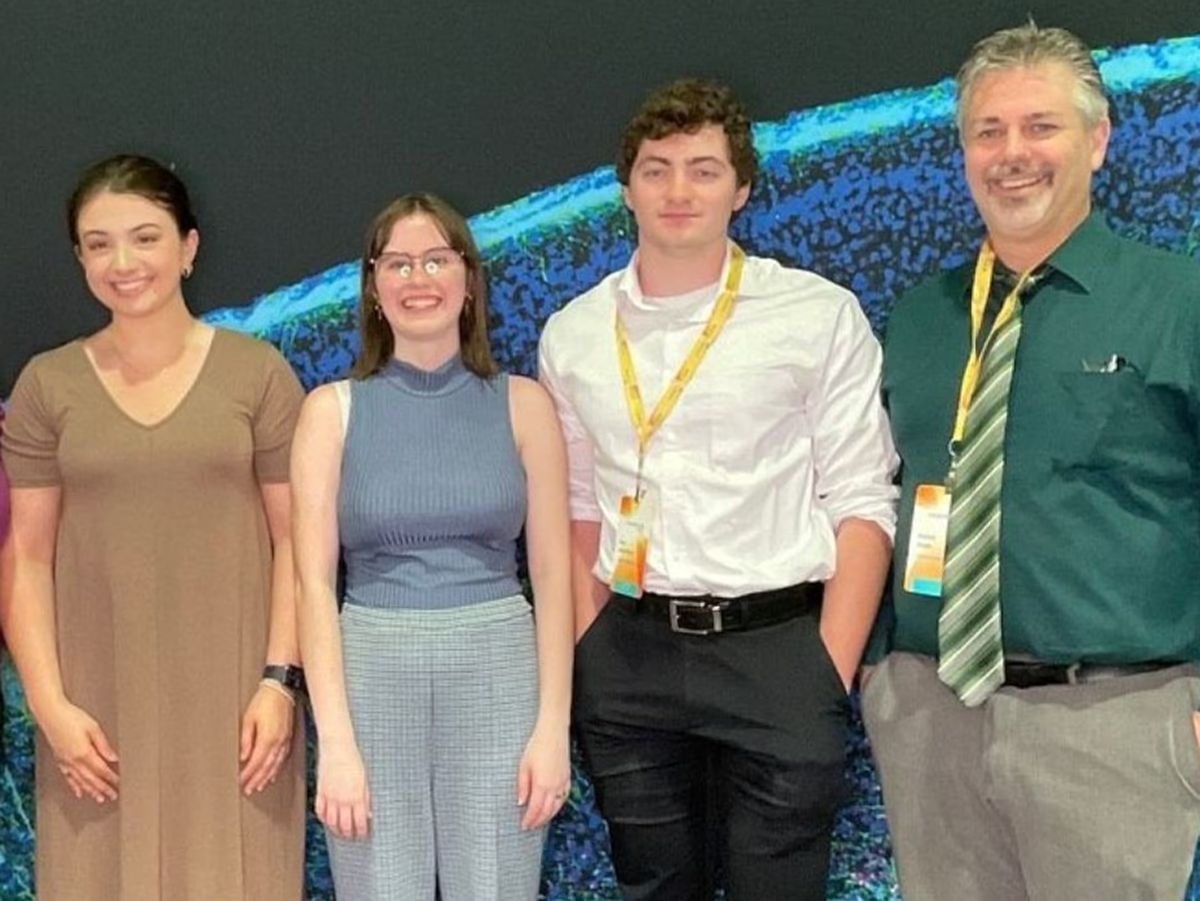
The Neuroscience minor builds skills that support both employment and further education, pairing scientific literacy about the brain with the ability to connect biological and psychological perspectives, a combination valued in health care, research, education, and beyond.
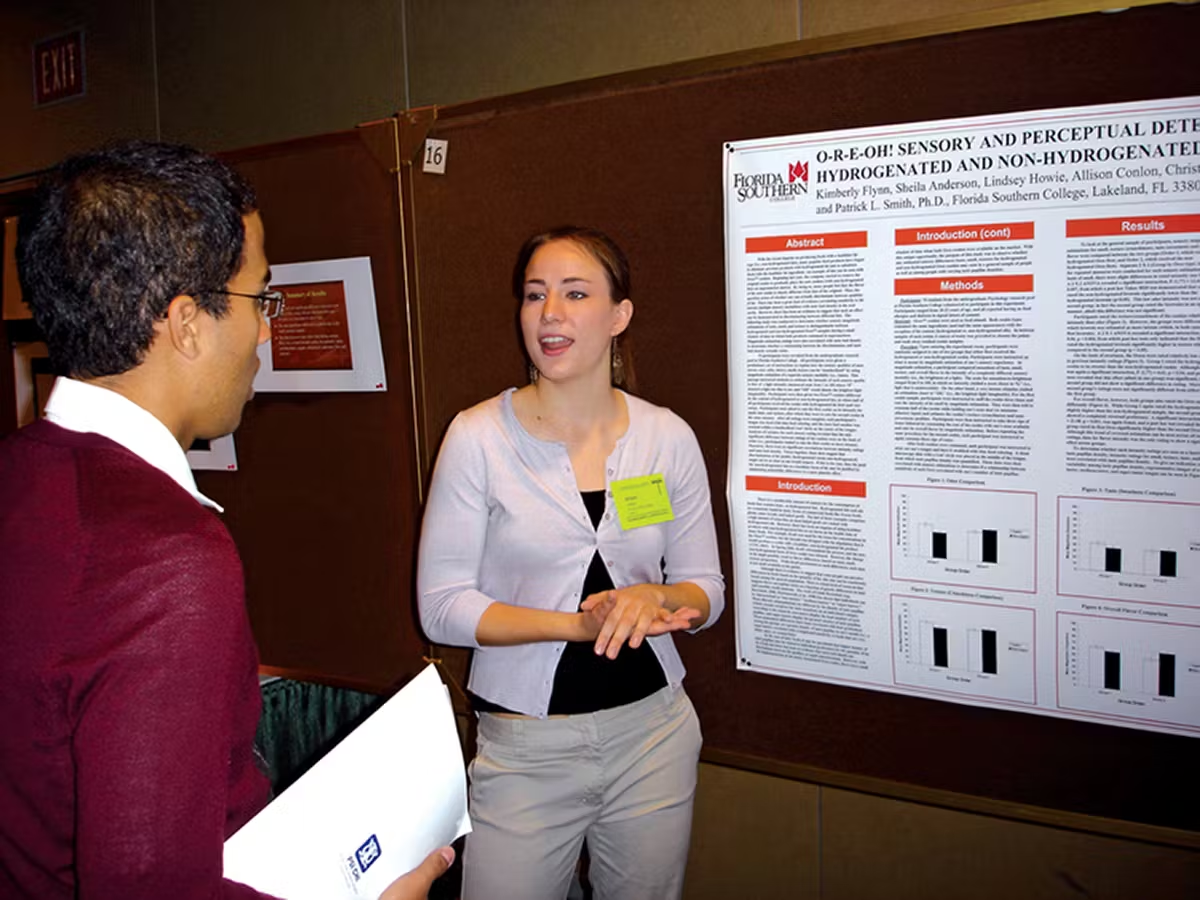
You must have approval from both minor co-coordinators before you can declare the Neuroscience minor.
Work with a coordinator to map your four core courses and eight elective hours, keeping the prefix balance and unique-coursework rules in mind.
Once approved, declare the minor through the standard FSC declaration process.
Questions about the Neuroscience minor, or ready to declare? Connect with the co-coordinators.
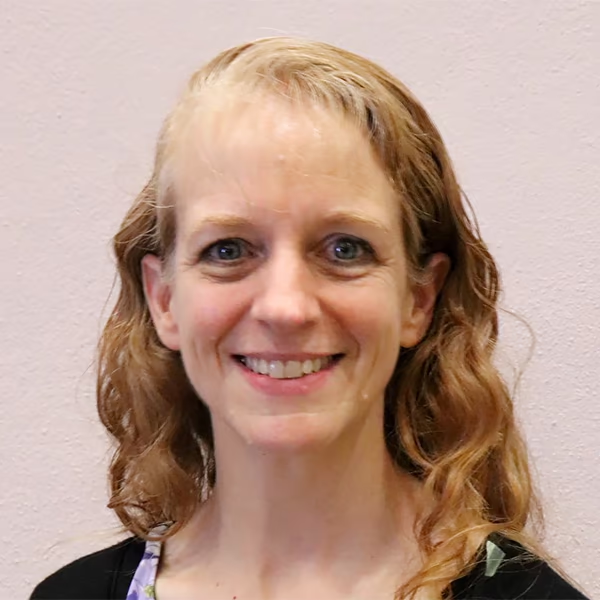
Department Chair, Professor of Biology
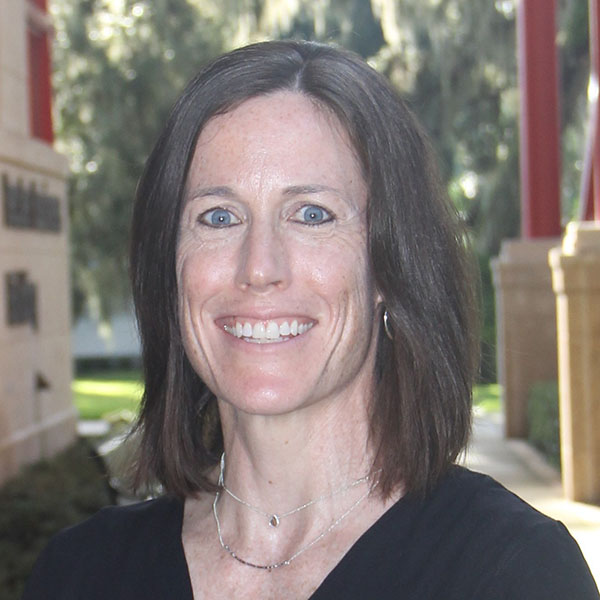
Professor of Exercise Science, Exercise Science Program Director
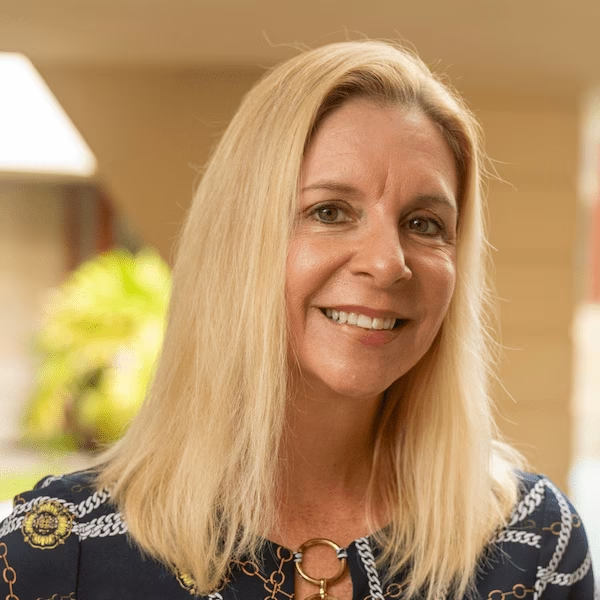
Professor of Psychology, Chair of the Department of Social and Behavioral Sciences
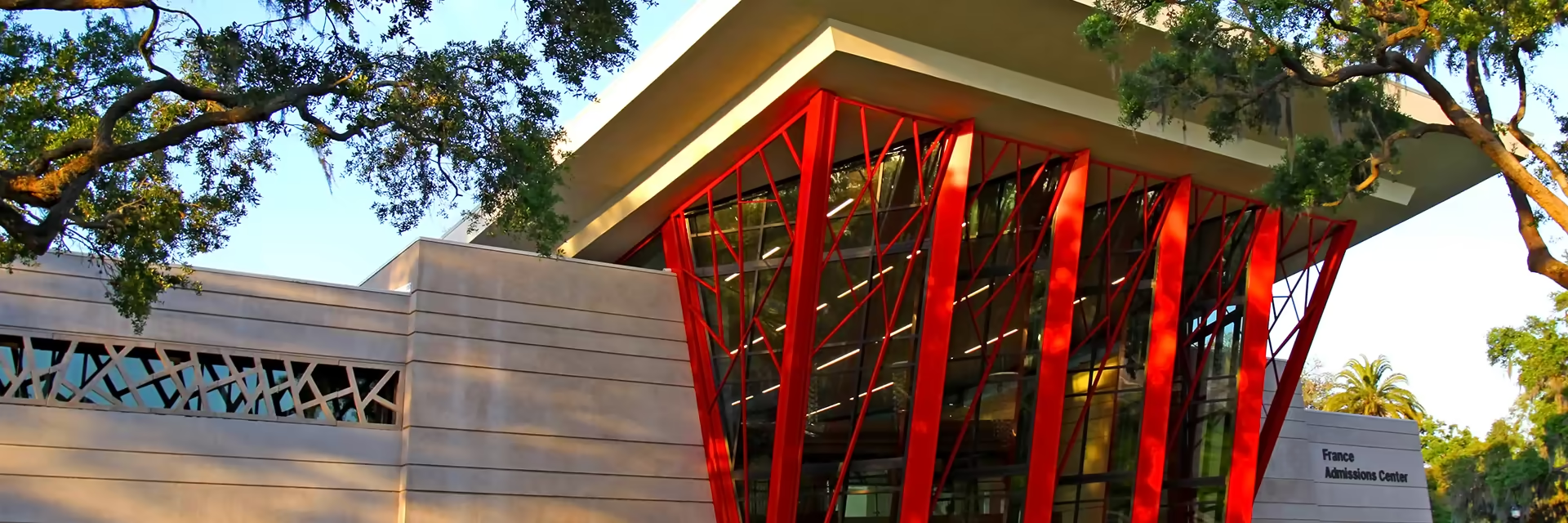
This is a big decision, and we’re here to help you make the choice that’s right for the future you’re imagining. Choose a next step to explore the possibilities at FSC!