Skip to main content Skip to main navigation Skip to footer content

Transferring into Florida Southern’s Nursing Program

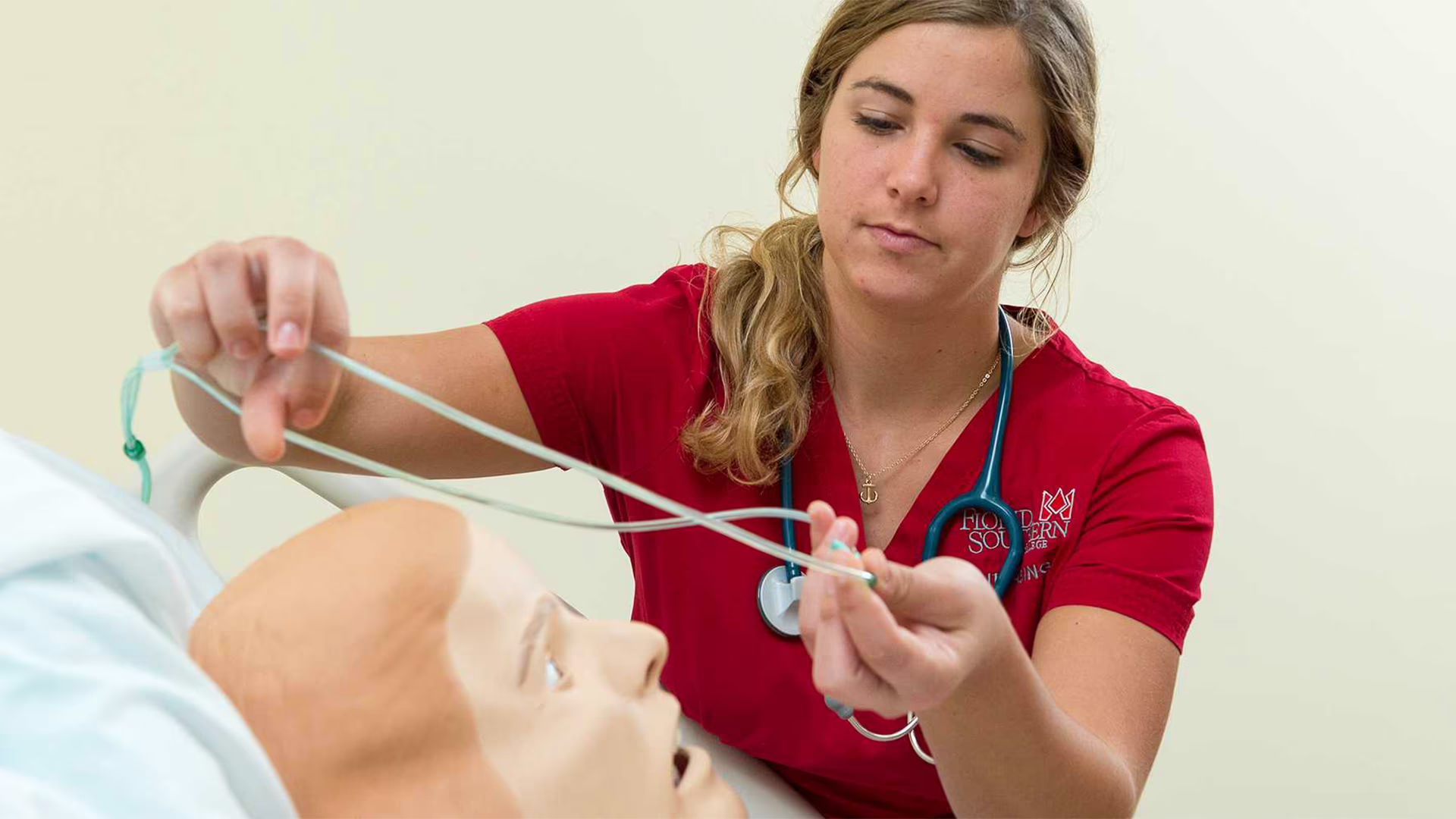
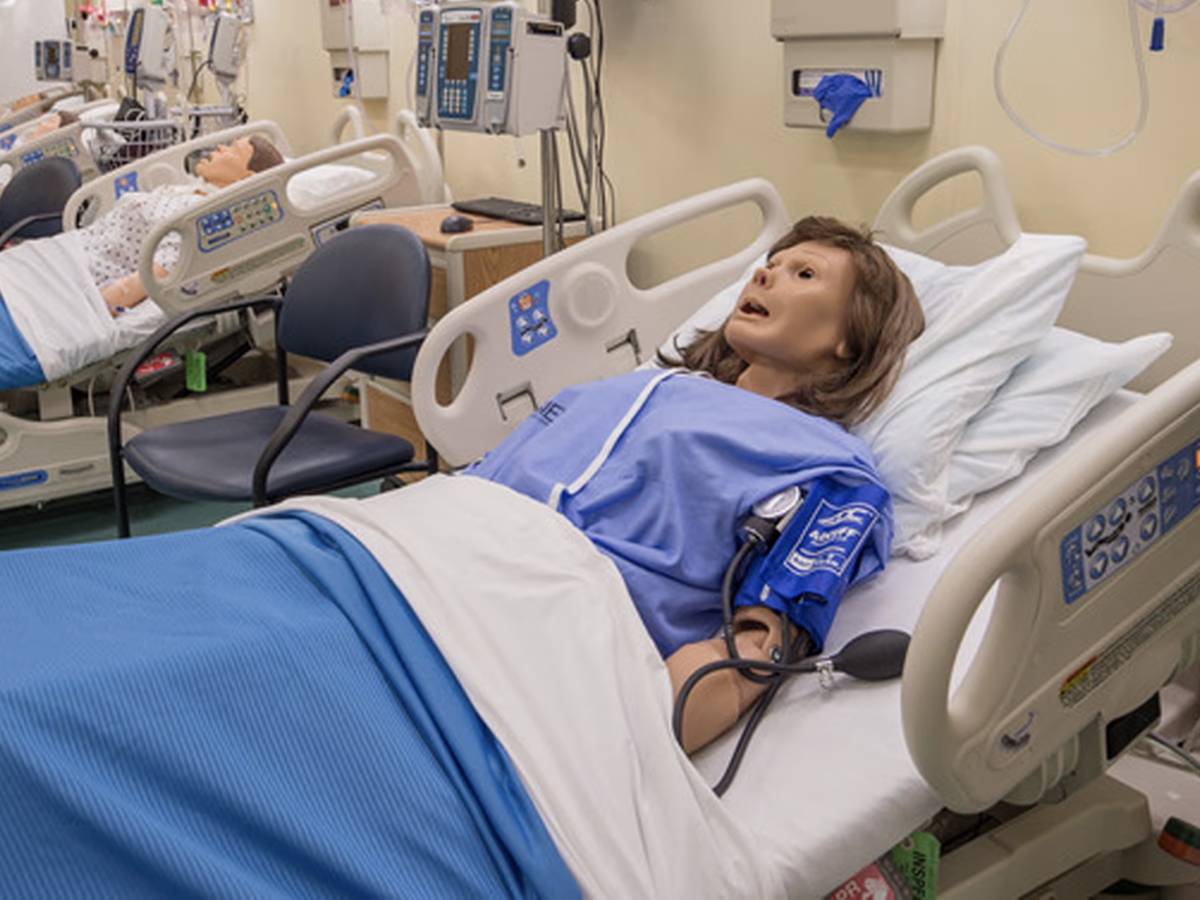
Florida Southern nursing students practicing clinical skills in an on-campus lab

Every path to nursing looks different.

Florida Southern understands the journey to becoming a nurse can be unique, and we are dedicated to supporting transfer students in achieving their professional nursing goals. Transfer students are welcome to apply for a limited number of spaces in Florida Southern College’s esteemed, direct-entry nursing program.

Our students graduate as highly skilled and compassionate professionals, equipped with the knowledge and practical experience needed for competitive positions. Florida Southern graduates score well into the 90th percentile for first-time National Council Licensure Examination (NCLEX) pass rate on a five year average, and secure employment at top healthcare systems such as Duke Health, Johns Hopkins All Children’s Hospital, and Lakeland Regional Health.

Please Note: Florida Southern’s Bachelor of Science in Nursing (BSN) program is a full-time, in-person program. Due to the hands-on nature of clinical training, on-campus labs, and classroom instruction, students must be available to attend classes and clinicals on campus throughout the week.

Two Pathways to Your BSN

We consider every transfer applicant for one of two plans of study. Your placement depends on your prior coursework, GPA, completed prerequisites, and Test of Essential Academic Skills (TEAS) score.

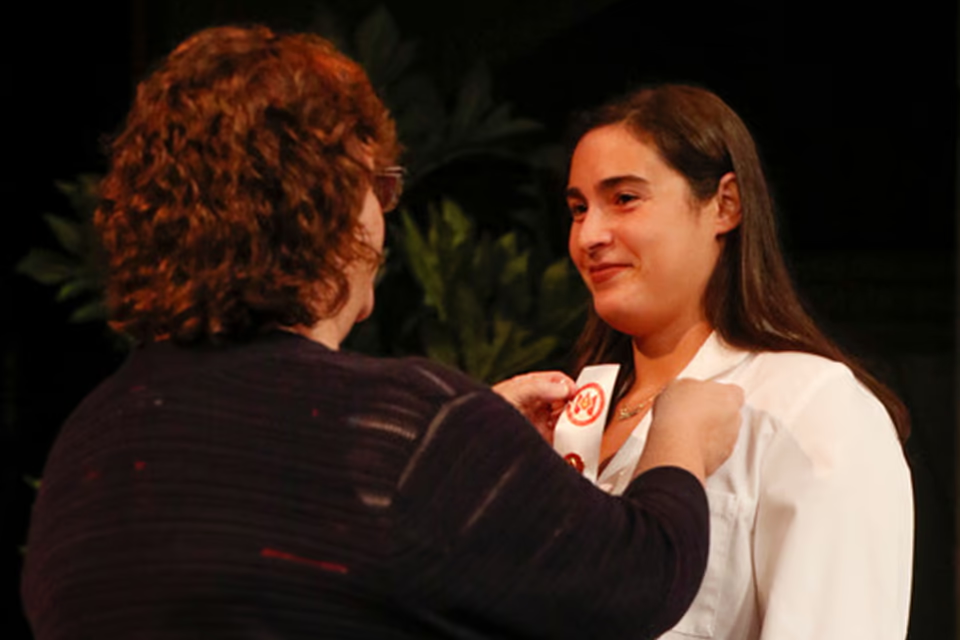
Nursing student earning her pin.

Three-Year BSN Pathway

This pathway is for transfer students who have finished their core science prerequisites and are ready to start nursing coursework right away. To be considered, you’ll need:

  • At least 20 college credits from a nationally or regionally accredited institution
  • A cumulative college GPA of 3.0 or higher
  • Human Anatomy and Physiology I with lab (4 credits), Human Anatomy and Physiology II with lab (4 credits), and Chemistry with lab (4 credits), with a C or higher in each
  • No more than one repeated prerequisite course
  • An overall TEAS score of 70% or higher

Meeting these criteria makes you eligible for the three-year pathway but doesn’t guarantee a seat. Spaces are limited, and available capacity and course sequencing can affect placement.
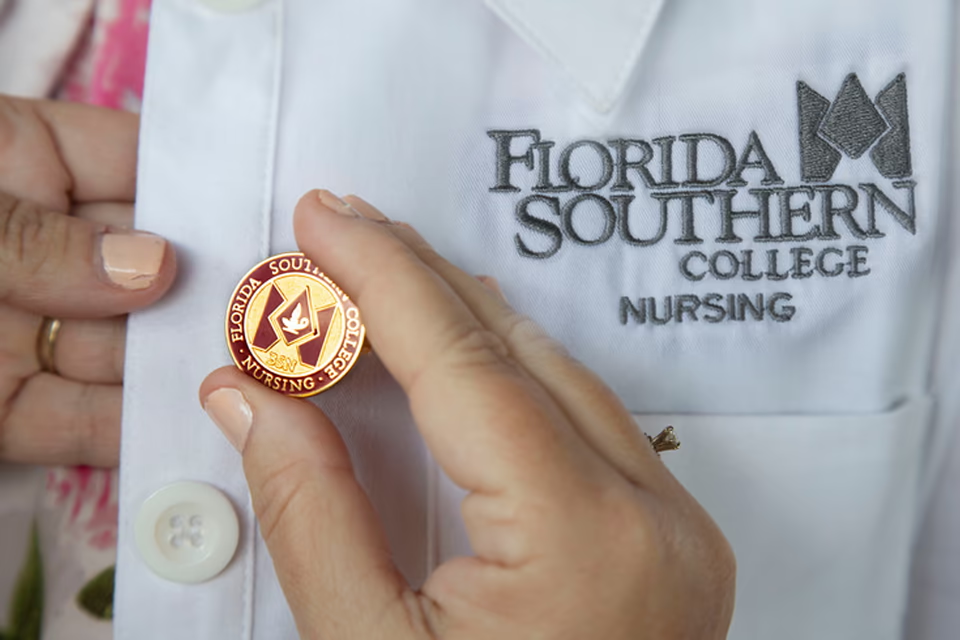
Nursing pin

Four-Year BSN Pathway

If your overall TEAS score is below 70%, you may be considered for our traditional four-year plan of study, as long as you meet the College’s admission requirements. In this pathway, you’ll:

  • Follow the established four-year BSN curriculum.
  • Complete any remaining prerequisite or general education courses.
  • Work with an academic advisor on a personalized plan built around your accepted transfer credits.

Pathways at a Glance

Pathways at a Glance
Criterion Three-Year Pathway Four-Year Pathway
College GPA 3.0 minimum 3.0 minimum
Completed credits 20 minimum Completed through the four-year plan
A&P I and II with labs C or higher in each Completed through the four-year plan
Chemistry with lab C or higher Completed through the four-year plan
Prerequisite repeats No more than one course Subject to College policies
TEAS overall score 70% or higher Below 70% may be considered

Students in both pathways meet the same BSN academic progression, clinical eligibility, and graduation requirements.

How the Transfer Review Works

Here’s what happens from the time you apply to your first advising meeting.

Skip to next section
  1. 1

    Submit your transfer application, official transcripts from every college you’ve attended, and your official TEAS results.

  2. 2

    Admissions will review your GPA, completed credits, course grades, course equivalencies, and any repeated prerequisites.

  3. 3

    Your overall score is checked against the 70% benchmark for the three-year pathway.

  4. 4

    The BSN Program Director works with Admissions to recommend your pathway, and we’ll notify you of your admission and placement.

  5. 5

    You’ll get an individual degree plan based on your transfer credits and your assigned course sequence.

Sample Three-Year Schedule

Transfer students can begin in the summer or fall semester. Below is a typical three-year course progression.

Transfer students can begin in the summer or fall semester. Below is a typical three-year course progression.

Year Fall Cr. Spring Cr.
Year 1 NUR 2022 Fundamentals 6 NUR 3204 Applied Pharmacology 4
NUR 3106 Health Assessment 4 NUR 3585 Adult Health I 6
NUR 3104 Applied Pathophysiology 4 BIO 2280 Applied Microbiology 4
NUR 1105** Nursing Foundations I 2 NUR 1106** Nursing Foundations II 2
Total 16 Total 16
Year 2 NUR 4585 Adult Health II 6 NUR 3530 Maternal & Newborn Nursing 4
NUR 3510 Psychiatric Nursing 3 NUR 3540 Pediatric Nursing 4
NUR 3302 Principles of Nutrition 4 MAT 2022/MAT 2023 Statistics 4
Total 13 Total 12
Year 3 NUR 4570 Community Health 4 NUR 4591 Nursing Leadership 3
NUR 4595 Adult Health III 6 NUR 4210 Senior Seminar 3
NUR 4110 Evidence Based H/C 4 NUR 4575 Intro to Global and Population Health 3
    NUR 4961 Nursing Practicum 3
Total 14 Total 12

* Anatomy and Physiology I and II with lab and Chemistry with lab must be completed before you start the three-year program.

** May be taken at FSC in the summer before the fall semester begins.

*** All students must meet Wright Foundations general education requirements to graduate.

Individual advising will set your course sequence. Summer semesters may be required.

After You’re Admitted

Before enrolling in NUR 2202 and NUR 3106, you’ll need to:

  • Meet the health prerequisites listed on the ABE ANHS Health Form.
  • Hold a CPR certification that stays active throughout the year.
  • Complete a BSN faculty panel interview, if requested.
After You’re Admitted

Hear from a Moc

Portrait of Mackenzie Steele

"A few of my favorite parts of joining the FSC Nursing program have been how welcoming every person has been and how hands-on this experience is. Everyone within the program wants you to be successful and is willing to help in any way to make that possible whether it be in study groups, going over skills, or having their office open for any questions or advice. The hands-on experience that you receive while in this program is very valuable. Not only are you practicing within lab, but you get extra time during open labs as well, and once you are in clinical rotations the chance to use the skills learned while having a professional oversee you. They push you out of your comfort zone to try new skills while being supervised to help you be confident with your future."

Mackenzie Steele

Frequently Asked Questions

Yes. Transfer students may apply for a limited number of spaces and will be considered for either the three-year or the four-year pathway.

Placement depends on your GPA, completed credits, prerequisite grades, repeated courses, and TEAS score. Applicants who meet all of the three-year criteria are considered for that pathway. Applicants who score below 70% on the TEAS may be considered for the four-year pathway.

No. Florida Southern College’s direct-entry nursing program is an on-campus, in-person, full-time program.

You may repeat one prerequisite course after a grade of C- or below. To be considered for the three-year pathway, you can’t have repeated more than one prerequisite.

Yes. Before admission, you must either complete the Wright Foundations or hold an associate or bachelor’s degree.

You’ll need an overall Florida Southern GPA of 3.0 or higher and a final grade of C or better in all BSN major and prerequisite courses. Students who don’t meet GPA or eligibility standards may be removed from the program.

Take your CPR course through the American Heart Association during the summer so your certification stays valid all year.

Apply for admission, then send your official transcripts and TEAS results to the Office of Admissions.